




In short: Ichitan entered Indonesia in 2014 through a 50:50 joint venture with PT Atri Pasifik, itself a joint venture between Alfamart's parent company and Mitsubishi Corporation. The early years lost more than 300 million baht in total, because Ichitan sold green tea the Thai way. The turning point came in 2018, when it launched Thai milk tea and marketed itself as a brand from Thailand. It then grew one city and one island at a time through several distributors. Thai-style drinks now make up about 80% of Ichitan Indonesia's revenue, and in 2025 the business returned a 16-million-baht profit share to the parent company.
Last updated 24 November 2026 · Every figure is sourced at the end of the article.
Ichitan Group Public Company Limited (SET: ICHI) is one of the Thai brands that has invested directly abroad. Its first market was Indonesia, a country of more than 270 million people. The story includes costly mistakes and a return to profit, which makes it a practical case for Thai business owners planning to expand in ASEAN.
Timeline: Ichitan in Indonesia
- Aug 2014: PT Ichitan Indonesia is set up as a 50:50 joint venture with PT Atri Pasifik, with a total investment of IDR 400 billion (about US$34 million at the time).
- 2014–2017: Ichitan leads with green tea, its main product in Thailand. Sales are weak, and losses add up to more than 300 million baht.
- 2018: Ichitan launches a ready-to-drink Thai milk tea, followed by other Thai-style drinks.
- Q1 2020: The joint venture contributes 8.4 million baht of profit to ICHI, in line with target.
- 2025: Ichitan records a 16-million-baht profit share from Indonesia for the year.
- 2026: Targets are 8% sales growth in Indonesia and a 20-million-baht profit share. In Q3, Ichitan Indonesia reports a net profit of 11.2 million baht, up 211% year on year.
1. Why go abroad at all
Tan Passakornnatee, Ichitan's founder, saw limited room for growth in Thailand's ready-to-drink tea market, while foreign brands were competing harder at home. Going abroad was a way to find long-term growth and to defend the business at the same time. He has described this thinking in several interviews (linked in the sources).

Indonesia came first because of its size and its large young population, the customers of the future. Compared with China, it was also an easier market in which to start.
2. Starting with a 50:50 joint venture
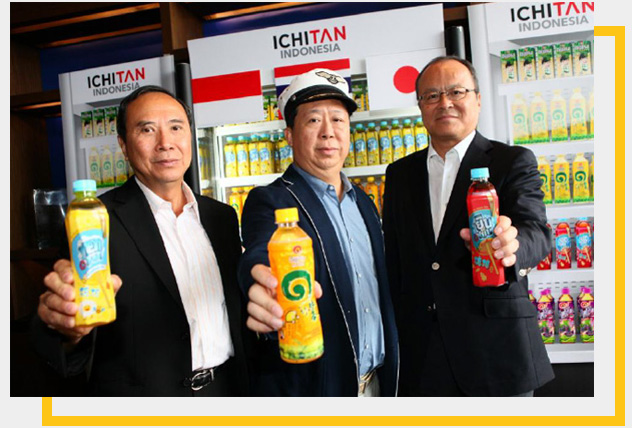
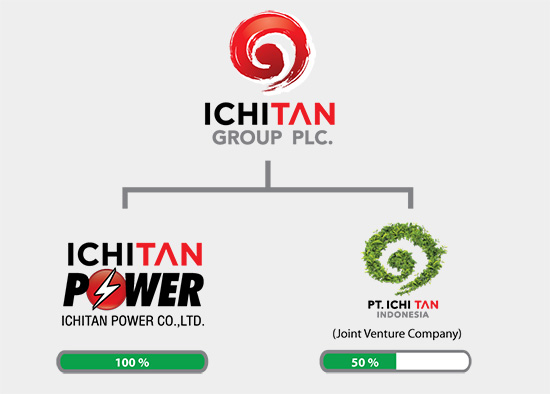
Ichitan did not enter alone. Its partner was PT Atri Pasifik, a joint venture between PT Sigmantara Alfindo (the parent of the Alfamart convenience-store chain) and Japan's Mitsubishi Corporation.
- The joint venture, PT Ichitan Indonesia, was set up in 2014.
- Ichitan holds 50%; PT Atri Pasifik holds the other 50%.
- The original plan was to supply the market from 2015 and to start manufacturing in Indonesia in 2016.
- The partners brought capital, sales channels and local market knowledge.
3. The early years: the Thai playbook did not travel
From 2014 to 2017, Ichitan led with green tea, its winning product in Thailand, hoping the same formula would work in Indonesia. It ran into several barriers.
- Narrow reach: At first, the products reached only modern-trade stores, about 20% of all shops in Indonesia.
- No chillers: Many shops had no fridge, so the drinks did not reach consumers as planned.
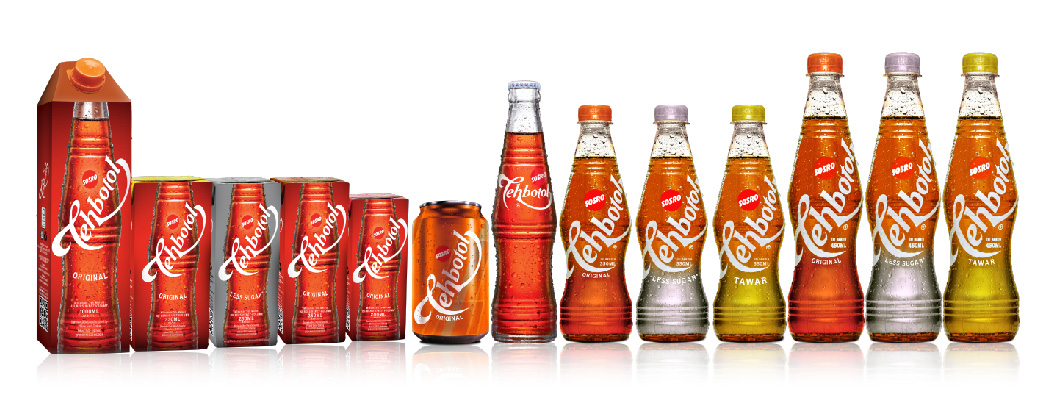
- Local taste: Indonesians are used to local sweet tea (teh manis), and strong local brands such as Teh Botol Sosro were already in place.
Result: cumulative losses of more than 300 million baht before the strategy changed.
4. The turning point: Thai milk tea, sold as "From Thailand"
The change came when Tan went to see the market himself rather than relying on research reports alone. He found that Indonesian consumers saw Thai-style drinks as premium.
- In 2018, Ichitan launched a ready-to-drink Thai milk tea and positioned itself as a brand from Thailand.
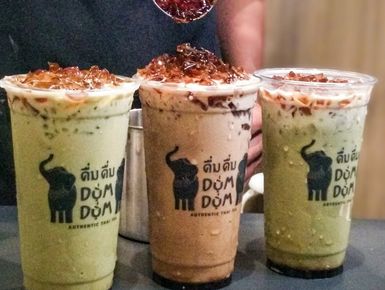
- It followed with Thai milk coffee, Thai milk green tea and Thai-style coconut water.
- Thai-style products now generate about 80% of Ichitan Indonesia's revenue.
- Tan fronted the marketing himself (CEO branding), so consumers came to know Ichitan as a Thai brand.
5. Distribution built for an island nation
At Bangkok Bank's Indonesia Investment & Trade Forum 2026, Tan summed up three main shifts.
- From modern trade to general trade: the focus moved to traditional shops, which make up most of the country's retail.
- From one distributor to many: distributors on each island give deeper, more cost-effective reach.
- From tea to many categories: Ichitan expanded into other drinks and looks for a "hero product" for each period.
Ichitan also stopped trying to cover the whole country at once and grew one city and one island at a time, which kept marketing costs under control.
6. Latest results (2025–2026)
- In 2025, Ichitan Group's total revenue was 8,239.86 million baht, and its profit share from Indonesia was 16 million baht.
- For 2026, Ichitan targets 8% sales growth in Indonesia and a 20-million-baht profit share.
- In Q3 2026, Ichitan Indonesia's net profit was 11.2 million baht, up 211% year on year. The company credited changes to its marketing strategy and management.
7. What comes next
In 2025, Ichitan said it would launch products in Indonesia that are not sold in Thailand, and that the Philippines is the next market it is studying. For 2026, the group's main export growth market is Laos, with Malaysia, Canada and China named as new markets.
Five lessons for Thai business owners
- Don't copy the Thai formula wholesale: what sells at home may not be what a new market wants.
- Go and see the market yourself: research helps, but Ichitan's game-changing insight came from being on the ground.
- Thainess sells when it is told well: Ichitan won by positioning itself as a premium Thai brand. Read more on Thai brand storytelling.
- Partners and channels matter as much as the product: in an island nation, distributors have to cover the market area by area.
- Early losses are not the end: a business can turn around if it admits what is not working and changes fast.
Frequently asked questions
When did Ichitan enter Indonesia, and with whom?
In 2014, through PT Ichitan Indonesia, a 50:50 joint venture with PT Atri Pasifik, which is itself a joint venture between Alfamart's parent company and Mitsubishi Corporation.
How much did Ichitan lose in Indonesia?
More than 300 million baht in total in the early years, as THE STANDARD reported in 2025.
Which product turned Ichitan Indonesia around?
Ready-to-drink Thai milk tea, launched in 2018, and the Thai-style range that followed. These now make up about 80% of Ichitan Indonesia's revenue.
Is Ichitan Indonesia profitable now?
Yes. It contributed a 16-million-baht profit share to the parent company in 2025 and reported a net profit of 11.2 million baht in Q3 2026.
Taking your brand to Indonesia?
SEA Bridge Market Entry helps Thai businesses test a market and find partners and distributors before they invest. Read our Indonesia market guide, see our Thailand–Indonesia network, or contact the team.
Sources
- THE STANDARD: Ichitan's market-entry lessons in Indonesia (28 May 2025, in Thai)
- Bareksa: Alfa Grup (AMRT) Masuki Bisnis Minuman Teh Kemasan (1 Sep 2014, in Indonesian)
- Indonesia Investments: Mitsubishi Corporation & Ichitan Group Expand to Indonesian Beverage Market (28 Aug 2014)
- Bangkok Bank: Tan Passakornnatee's slides, Indonesia Investment & Trade Forum 2026
- Ichitan Group: Q1 2020 results (20 May 2020)
- Kaohoon International: Ichitan Targets Double-Digit Revenue Growth in 2026 (12 Mar 2026)
- InfoQuest: ICHI Q3 2026 results (12 Nov 2026, in Thai)
- Marketeers: Melihat Potensi Ichitan di Pasar Teh Kemasan Indonesia (30 Oct 2015, in Indonesian)
- Interviews with Tan Passakornnatee: The Secret Sauce EP.852 · Mission To The Moon EP.2394 (in Thai)