.png)
There is a familiar script for regional summits. Choose a capital city. Fly in international speakers. Seat local talent at the back and thank them for attending.
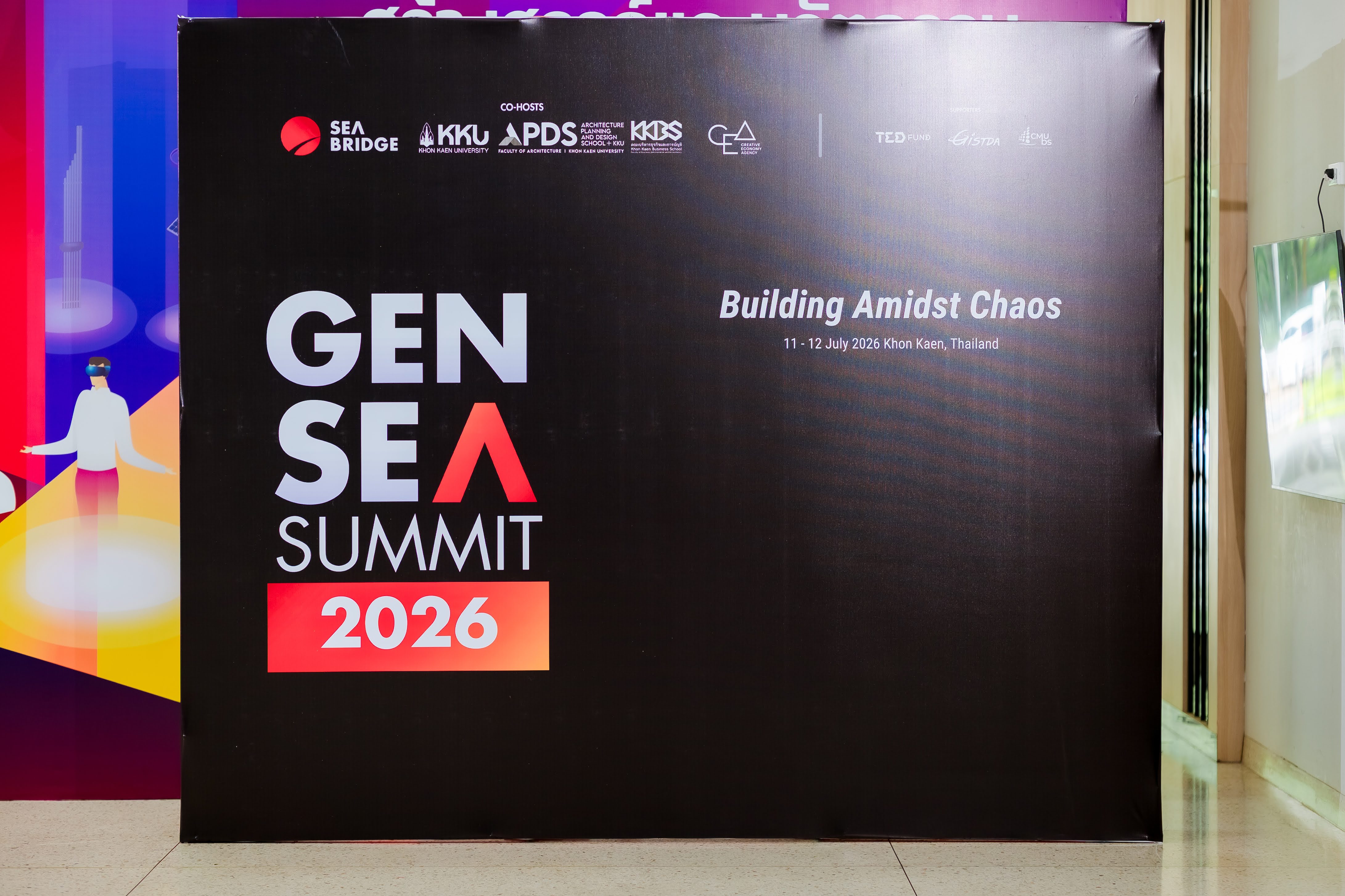
We did not write that script and we were not going to perform it.
On 11 and 12 July, SEA Bridge convened Gen SEA Summit 2026 in Khon Kaen, in partnership with Khon Kaen University and the Creative Economy Agency, alongside the Isan Creative Festival and ICIS 2026. It was the first time our flagship has been held outside Bangkok.
More than 500 participants took part across the co-located programme. Of the delegates who registered directly with SEA Bridge, 59.9% came from Khon Kaen itself. Another 24.3% travelled from elsewhere in Thailand. The remaining 15.8% arrived from Brunei, Malaysia, Indonesia, Vietnam, Myanmar, Laos, Singapore, Japan, France, and Peru. Eleven nationalities.
Read that split again, because it is the entire argument. The stage belonged to Thai and Isan builders. The region travelled to meet them.
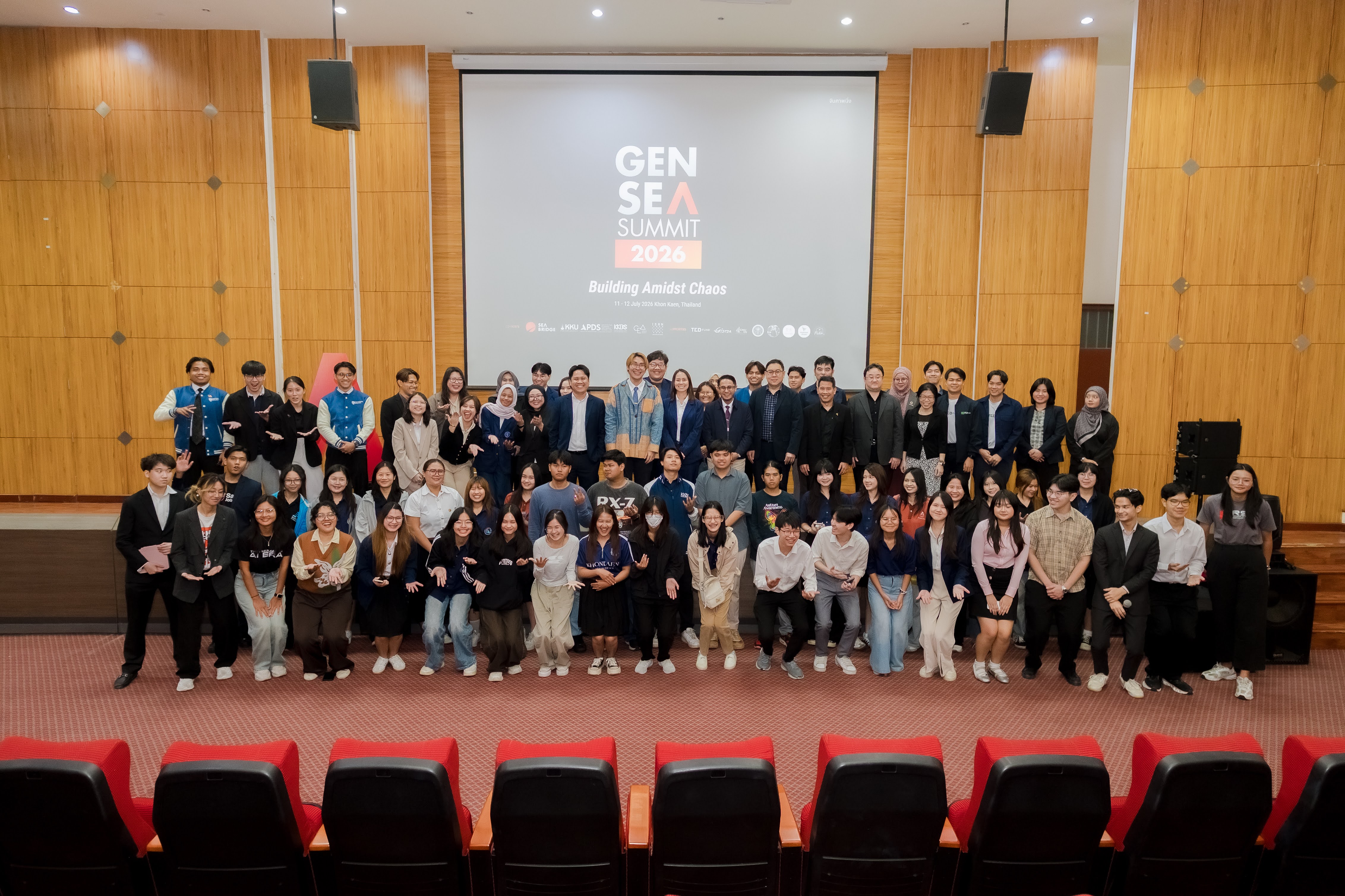
The theme was Building Amidst Chaos. Climate disruption. Capital flight. Conflict. AI displacement. The premise: this generation does not get a calm decade to build in, so the question is not whether to wait but how to move.
Each opened with keynotes and closed immediately with youth ventures already building in that space. No theory without proof standing next to it.
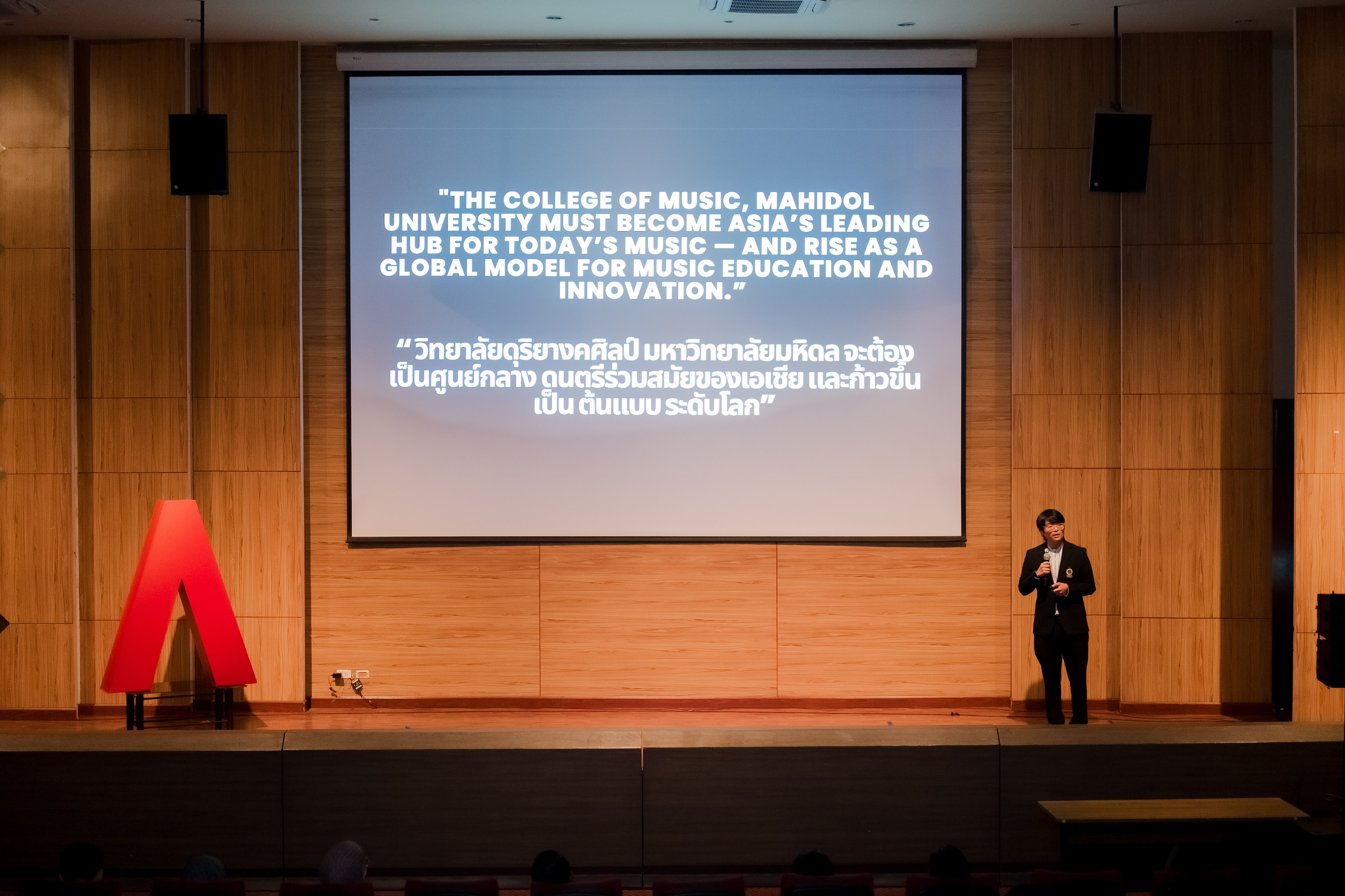
Dr. Piyawat Louilarpprasert, who became Dean of Mahidol University's College of Music at 32, on choosing to bring a global career home.
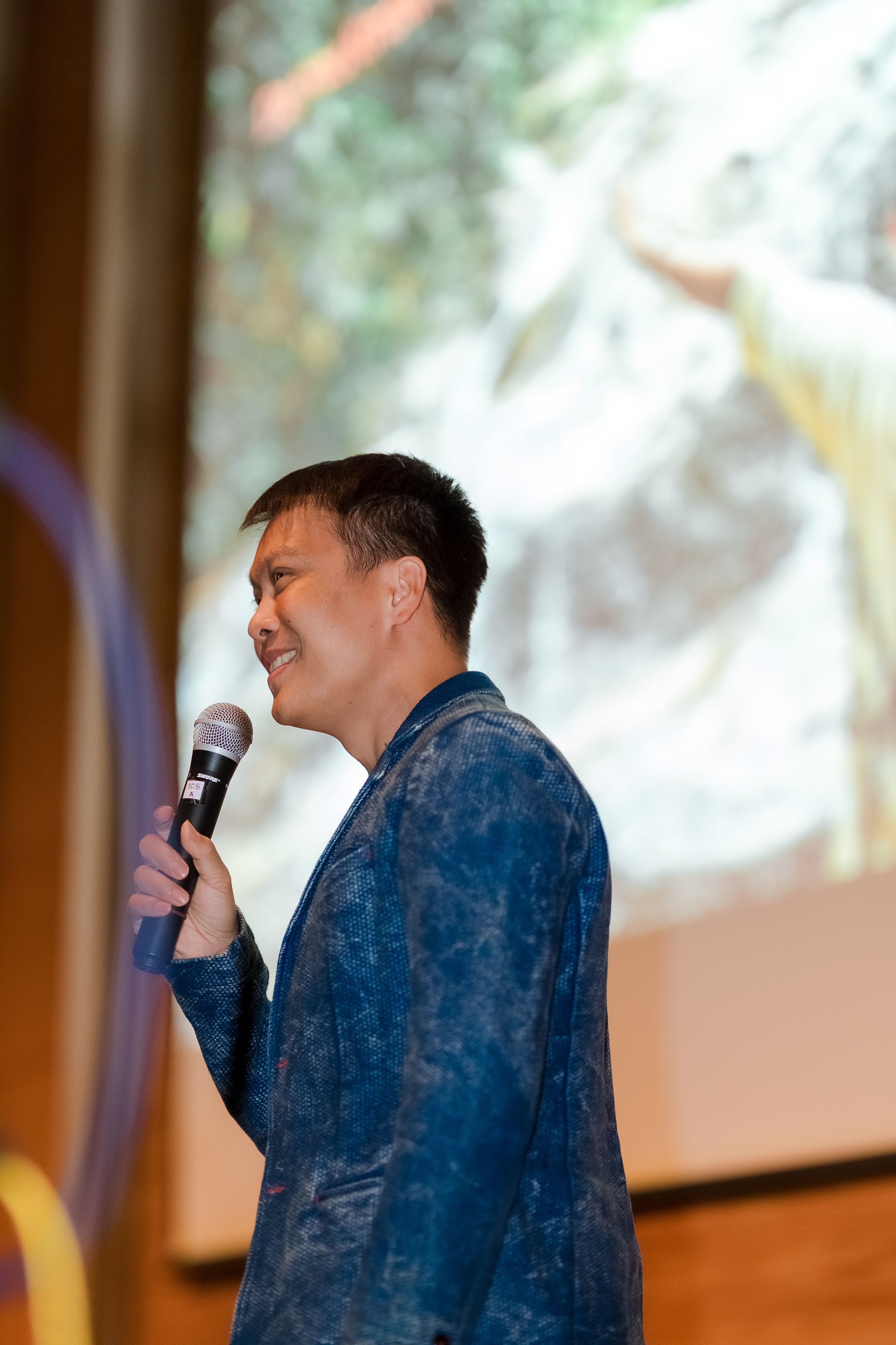
Somsak Boonkam, Founder of Local Alike, on why ASEAN's most valuable creative IP is still sitting unclaimed in its villages.
Chongrak Charuphanngam of Meekin Farm, who left a career in the UK to build a regenerative farmstay in Khon Kaen that now holds four consecutive years of Michelin Bib Gourmand recognition.
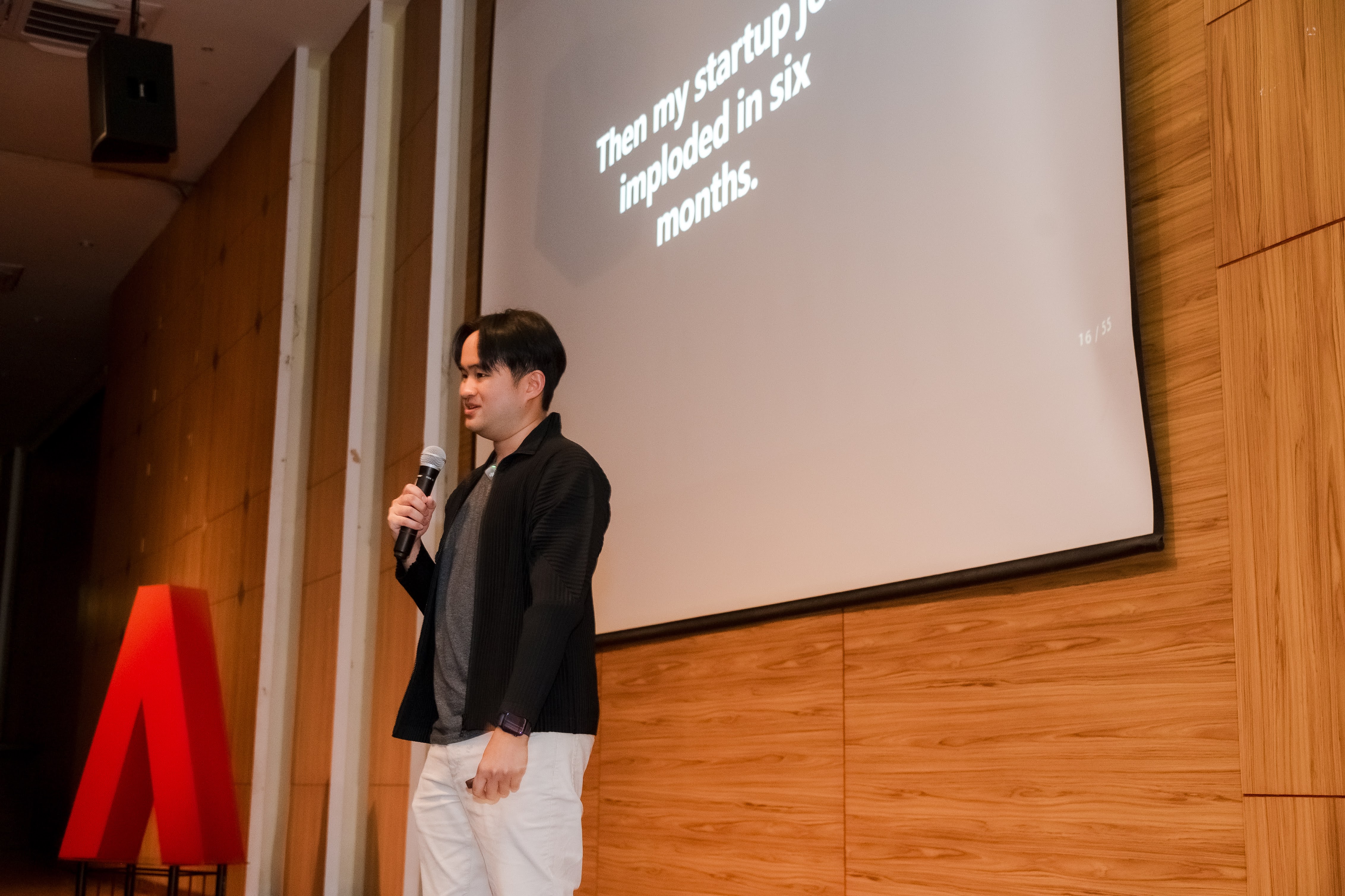
Naphat Sanguansin, Staff Engineer at Databricks and Co-Founder of Prodvana, on the parts of a Silicon Valley exit nobody posts about: the year without a single sale, the demo that failed live in front of marquee prospects, the bank that collapsed in an afternoon.
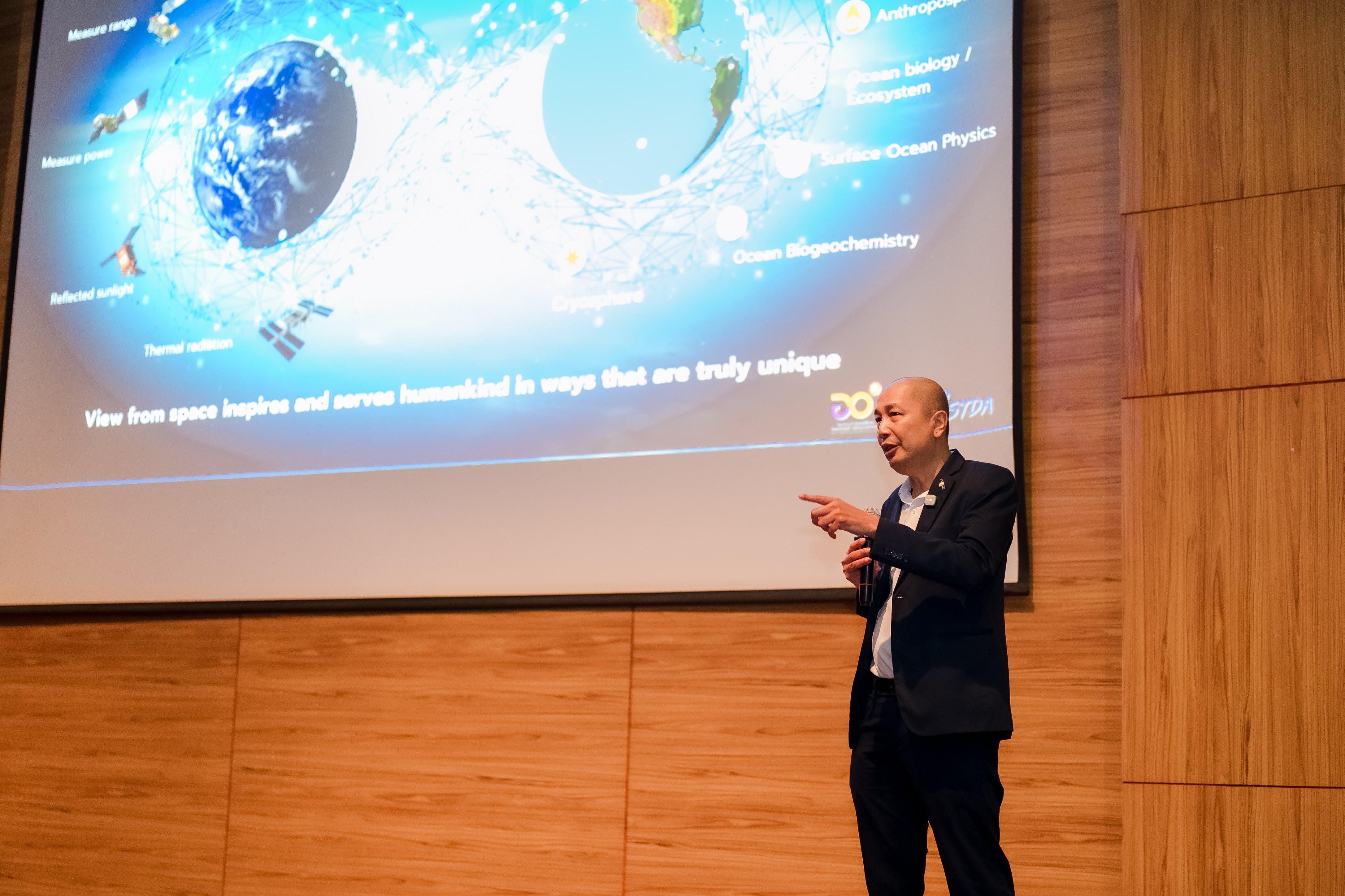
Dr. Pakorn Petchprayoon of GISTDA on satellite data as invisible infrastructure, and on evidence that Southeast Asia's rice paddies act as seasonal carbon sinks the world has not yet counted.
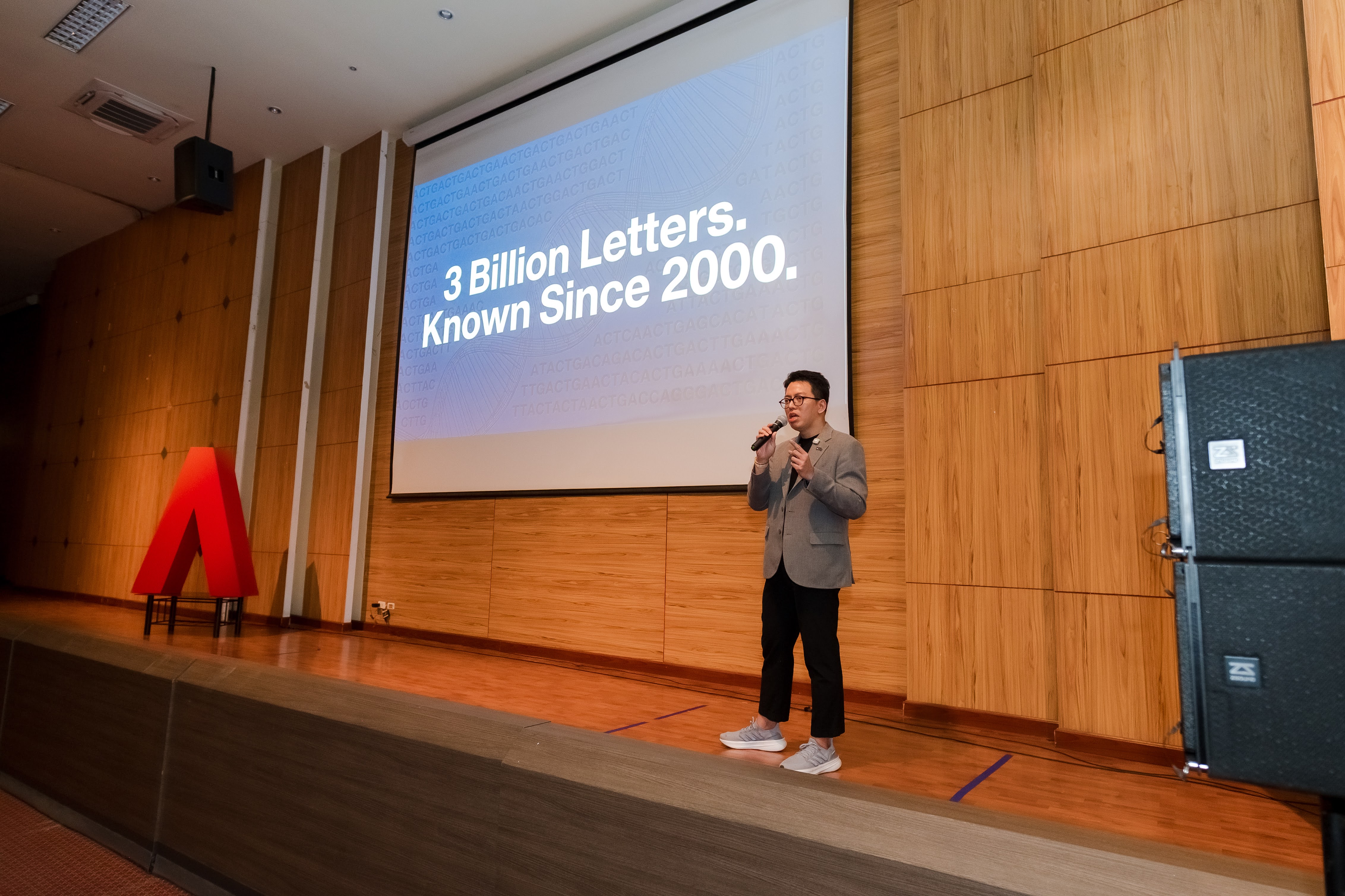
Asst. Prof. Dr. Jutarop Petcharaburanin, Director of the National Phenome Institute at KKU, on phenomics: the science of everything your genes do not decide. His institute has brought a key cardiovascular biomarker test down from 3,000 THB to 1,000 THB, validated across more than 880 people.
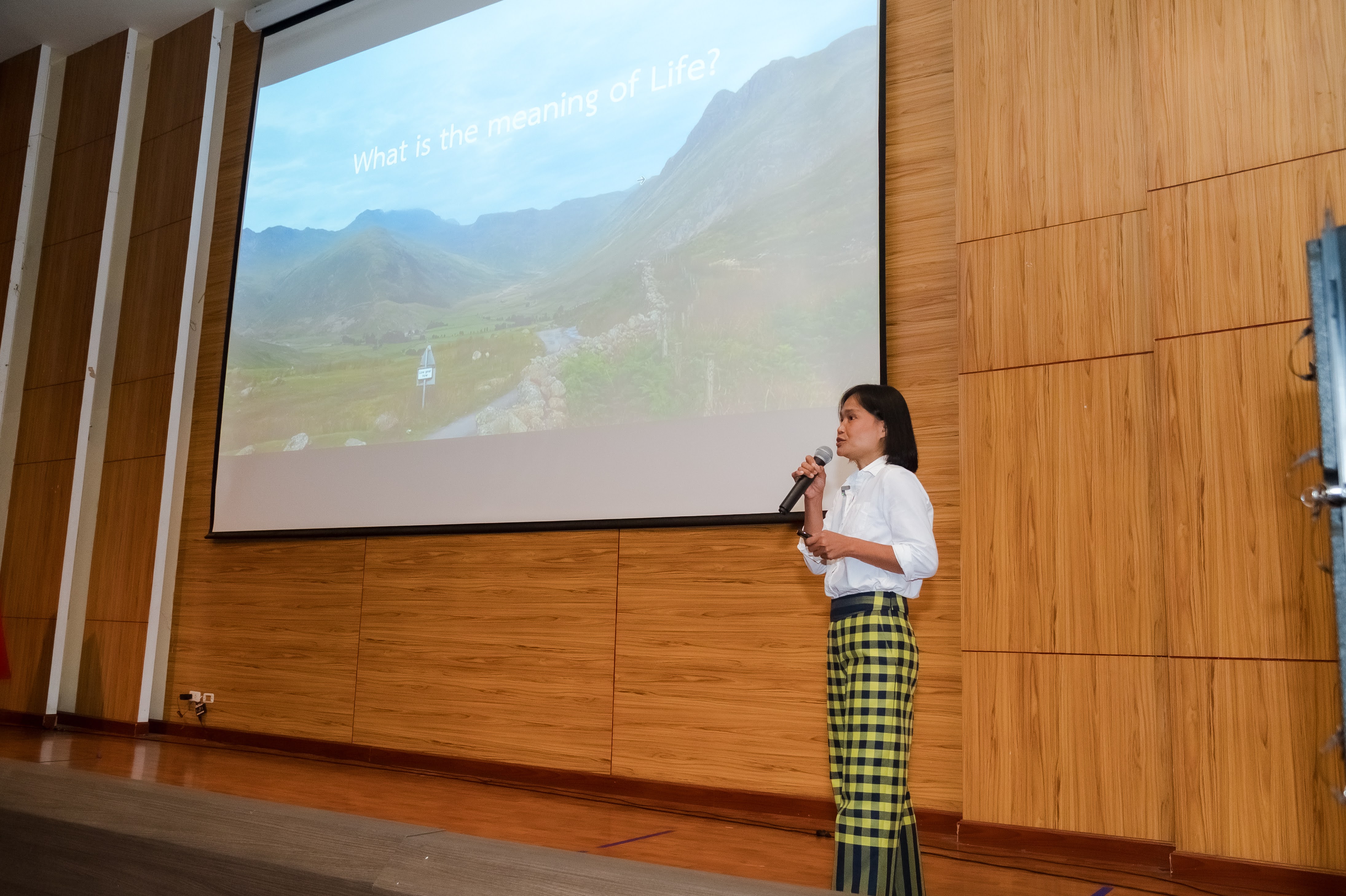
Dr. Ek-Anong Tangrukwaraskul of TED Fund, on entrepreneurship as a career path rather than a detour from one.
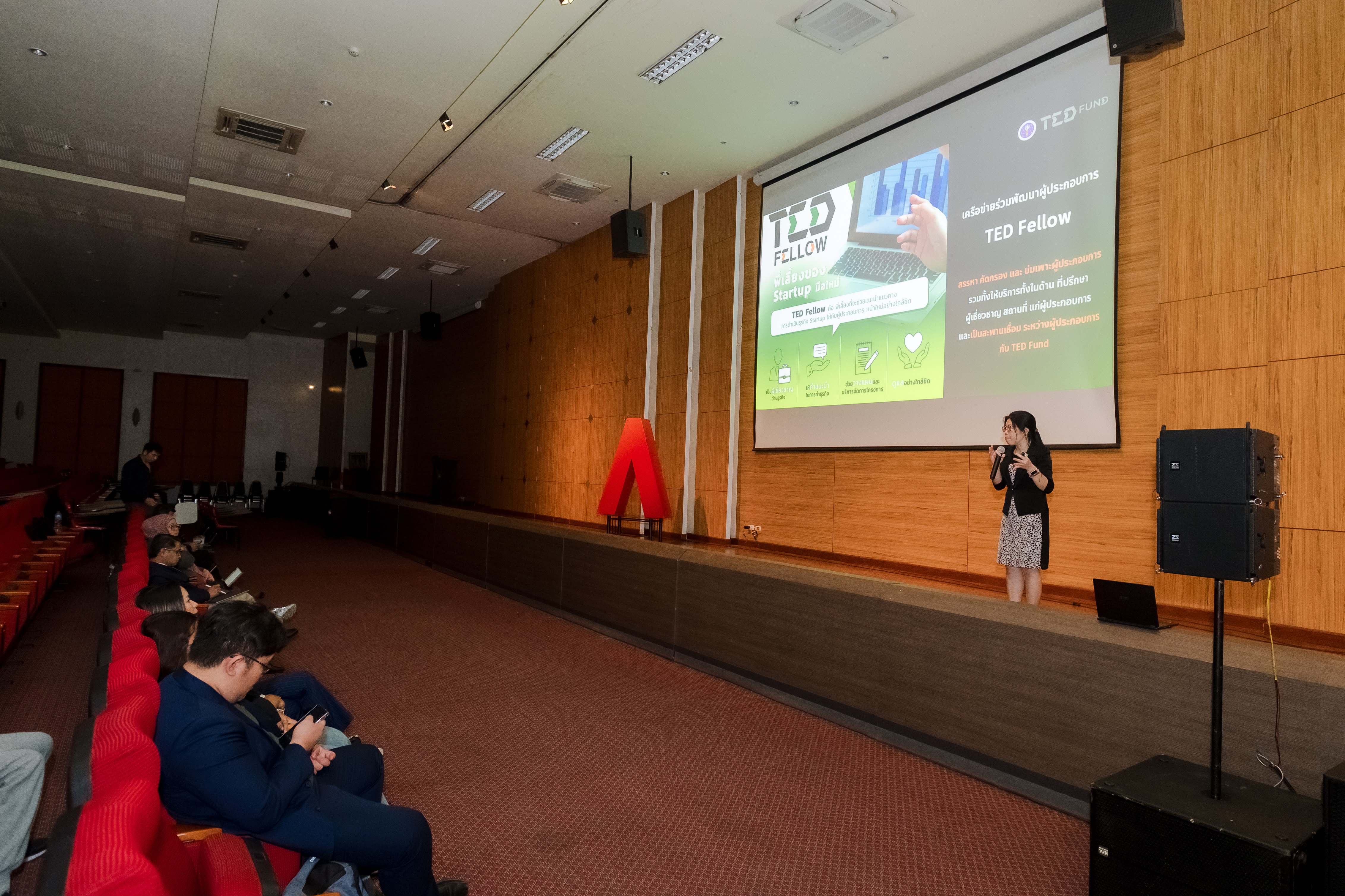
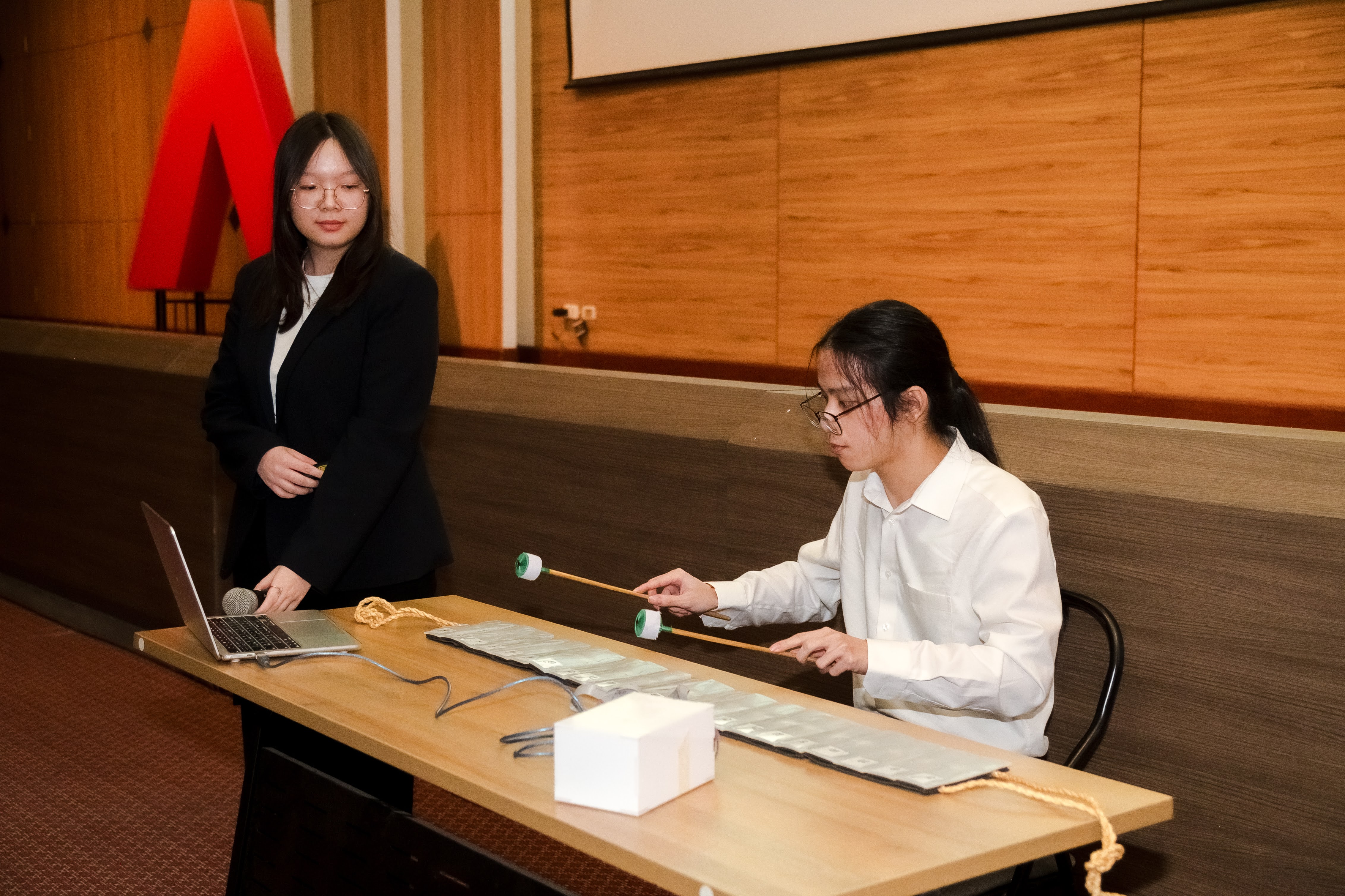
Nakhon Pipath, Barista Gel, Sabai Jobs, CARNE AI, Surmatch, Papob, Aspect Education, and Bridgeton Education. They came from KMUTT, Ubon Ratchathani University, UTCC, Chiang Mai University, Rangsit University, and SEA Bridge's own pipelines.
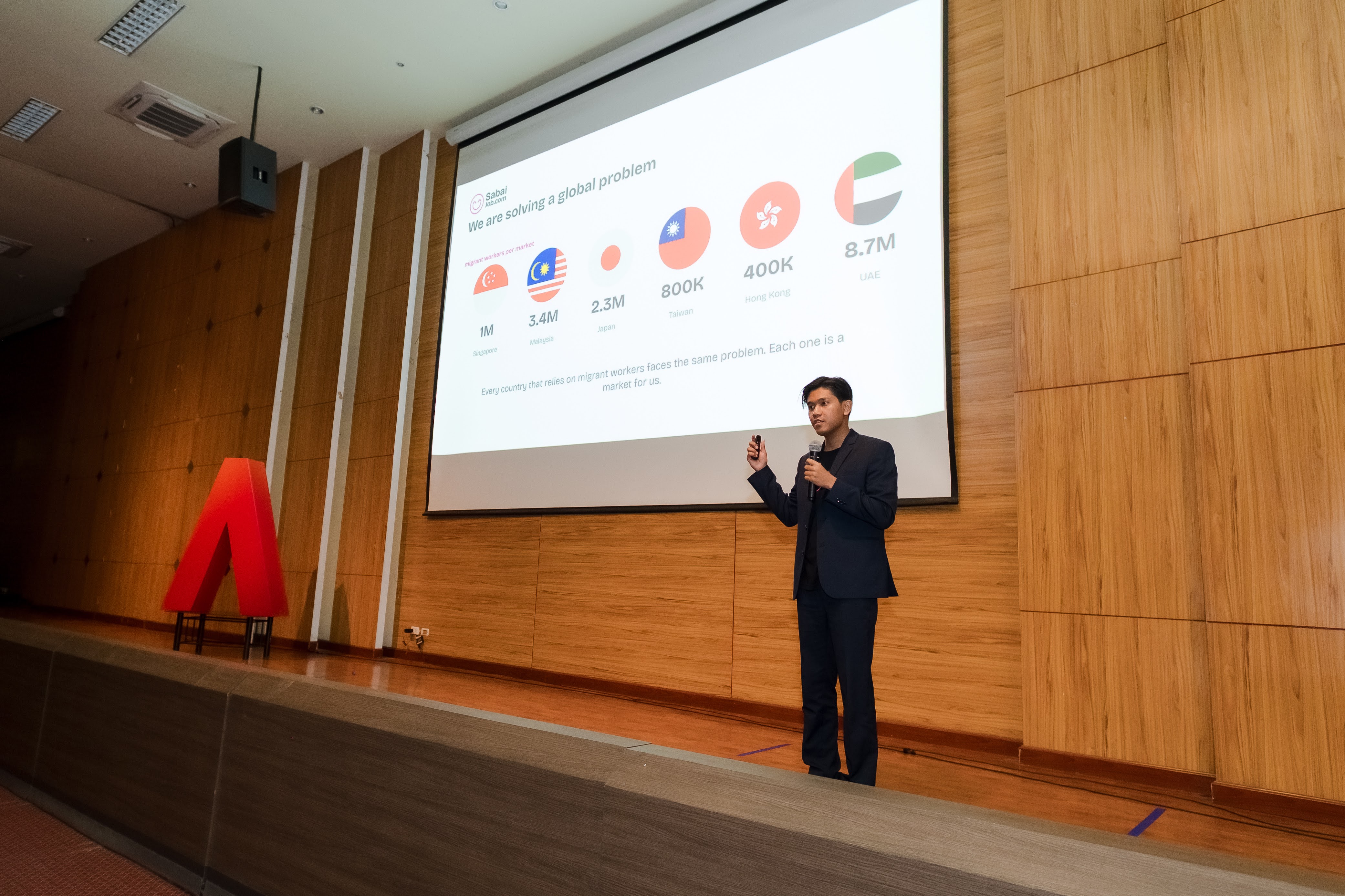
The clearest proof came from Sabai Jobs, a Thai platform rebuilding how blue-collar and service workers find verified, scam-free employment. In its first month it acquired over 3,000 users and 1,000 job listings, operating across a 25,000-worker network built with the ILO, the Thai Chamber of Commerce, and ten NGOs.
Over two days at the Summit, Sabai Jobs opened partnership discussions with Universiti Brunei Darussalam, established a route into Malaysia, and drew expressed interest from Social Enterprise Thailand.
A Thai platform for service workers, now in live conversation with Brunei and Malaysia, and on the radar of the country's social enterprise network. That pipeline did not exist on 10 July.
This is what we mean by local innovation to global network. Not a slogan. A door that opened for a founder who was in the room, and did not open for the founders who were not.
On Day 2, university leaders from four countries sat down for a closed-door roundtable: Breaking the University's Borders.
Around that table: Universiti Malaya, Universiti Brunei Darussalam, the Tarumanagara Foundation, Thammasat University's College of Innovation, Ubon Ratchathani Business School, Khon Kaen Business School, and Regional Science Park Northeast 2.
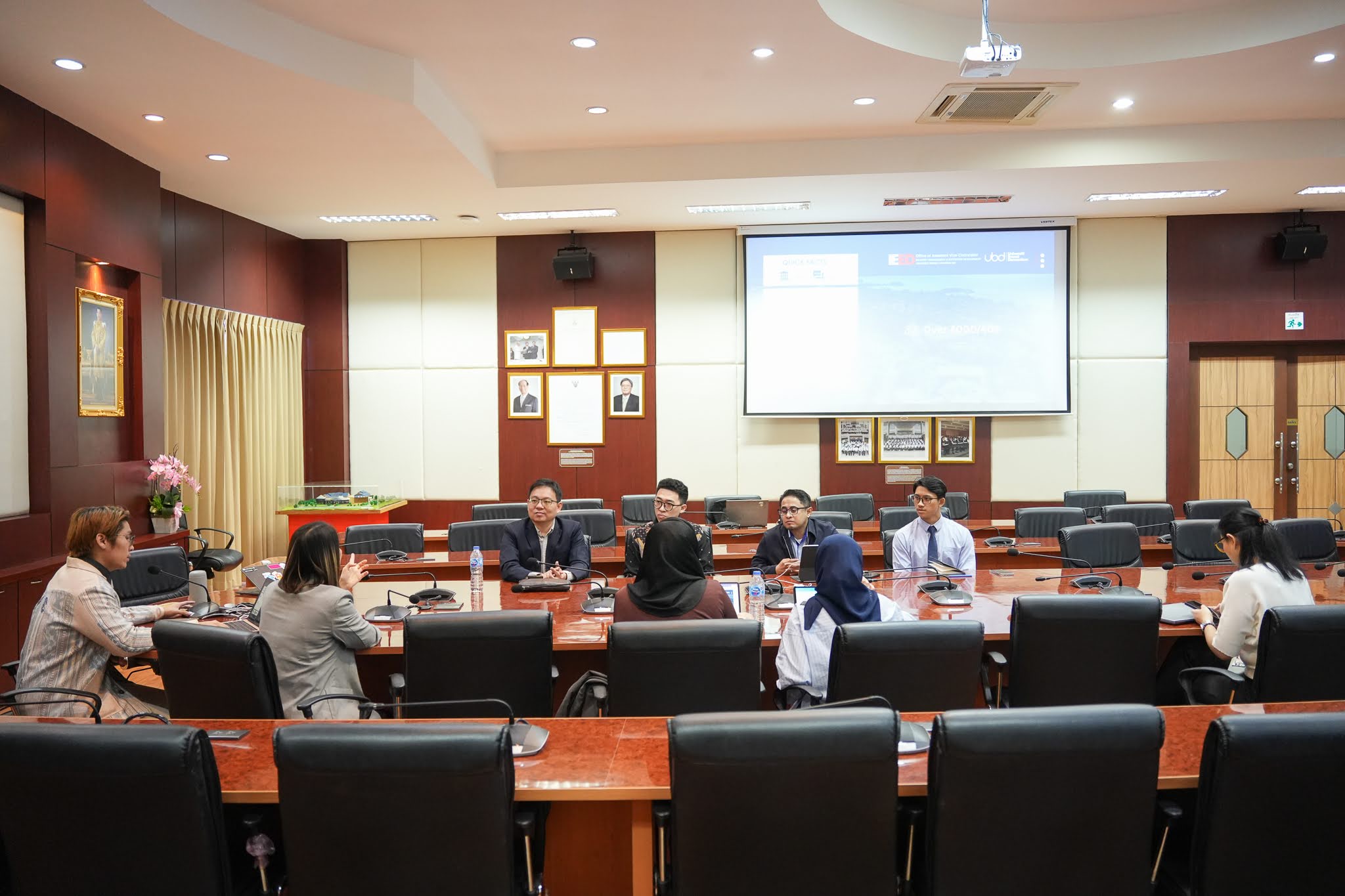
What surfaced was concrete. Universiti Brunei Darussalam described its Discovery Year, sending students out into internships, exchanges, incubation, and community projects, governed by a cross-faculty entrepreneurship team appointed by the President. Universiti Malaya described treating international experience itself as the prize, and framed entrepreneurship as an employment engine: students who start companies hire their friends. Tarumanagara described building on Indonesia's family business base and its exchange work with NUS. Regional Science Park Northeast 2 mapped where the ecosystem gaps actually sit.
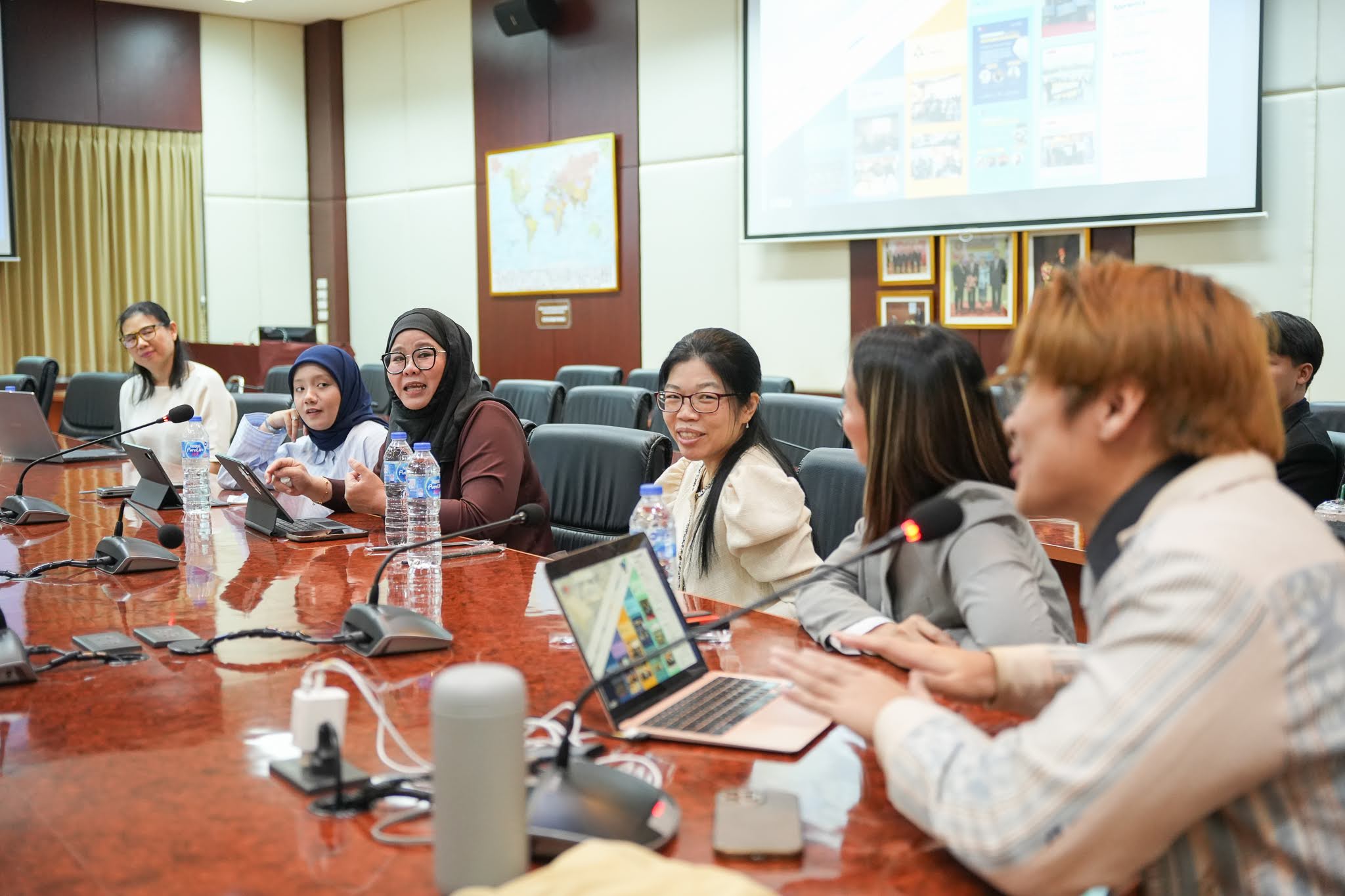
Four countries. One shared bottleneck.
Universities are built to graduate people. They are not built to launch them.
That room was invitation-only. It will convene again.
On 12 July, Prof. Dr. Supachai Pathumnakul, Permanent Secretary of the Ministry of Higher Education, Science, Research and Innovation, presided over the opening at Khon Kaen University and set out a vision for the Northeast as the innovation and creative economy hub of the Greater Mekong Subregion.
He named Gen SEA Summit 2026 within the cooperation network advancing it.
That sentence matters more than any photograph. It means this platform is not a private convening that a ministry stopped by. It is a named component of a national regional-development agenda, on the record.
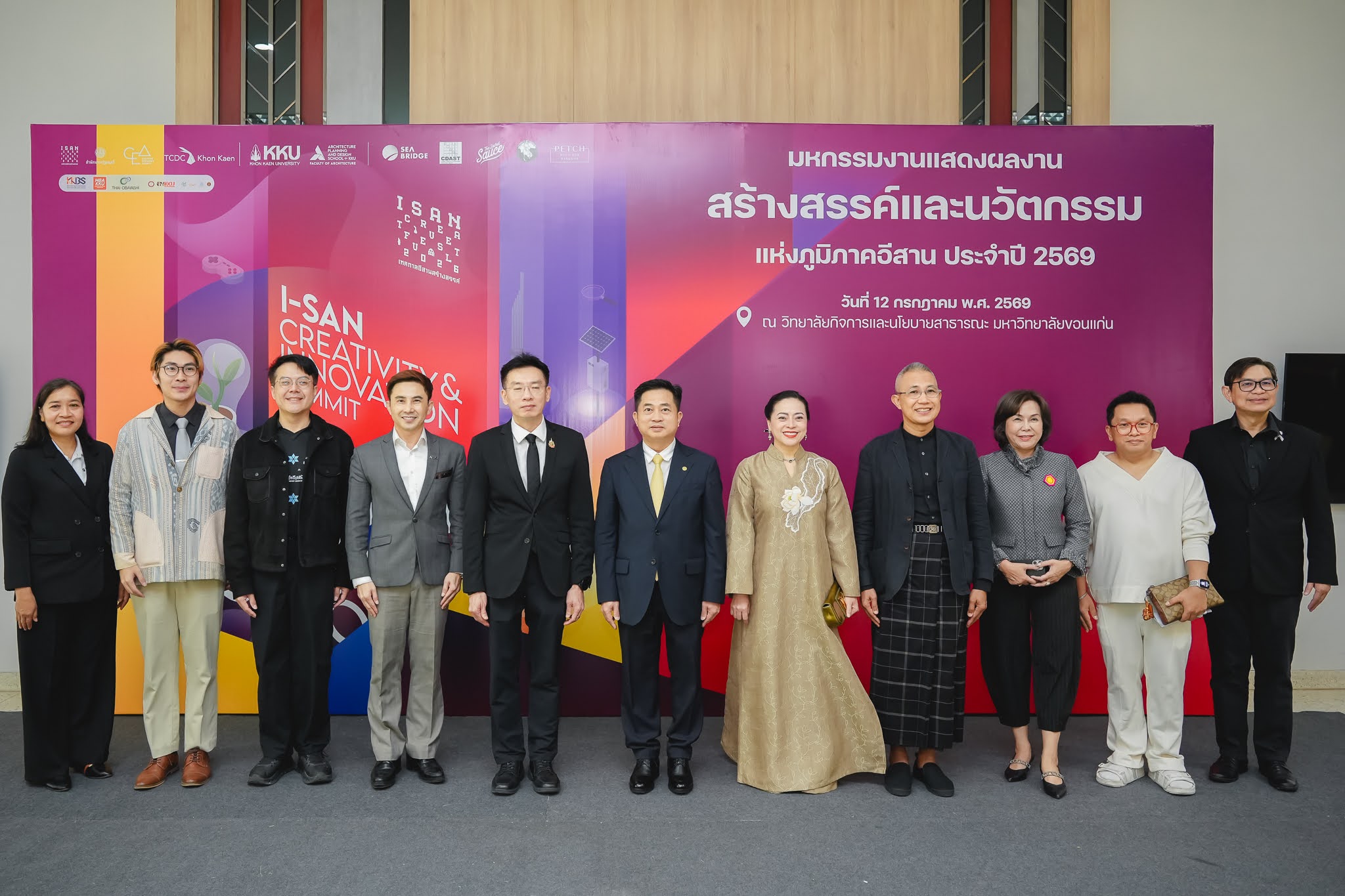
He was joined by Dr. Ek-Anong Tangrukwaraskul of TED Fund, Mr. Saksee Phonsantikul of CEA's Northeastern Regional Office, Dr. Pakorn Petchprayoon of GISTDA, Mr. Yutthaporn Pirunsarn, Deputy Governor of Khon Kaen, Mr. Dinh Hoang Linh, Consul General of Vietnam in Khon Kaen, Mr. Natthapol Prakoonsuksapan, Honorary Consul of Peru in Khon Kaen, and Mr. Jean-Michel Perroy, Président du Conseil Consulaire, Thaïlande et Birmanie.
"This was the first time we hosted outside Bangkok. We came to Khon Kaen last year to run a hackathon, and what we saw changed how we think about the region: the talent is local, the ambition is global, and the rest of ASEAN has something to learn from Thailand's Northeast, not only the other way around. In one room we had an engineer from Silicon Valley, a researcher from Khon Kaen, and a founder who went back to a village to build. That is the entire point. We have to start somewhere. This is where we started."
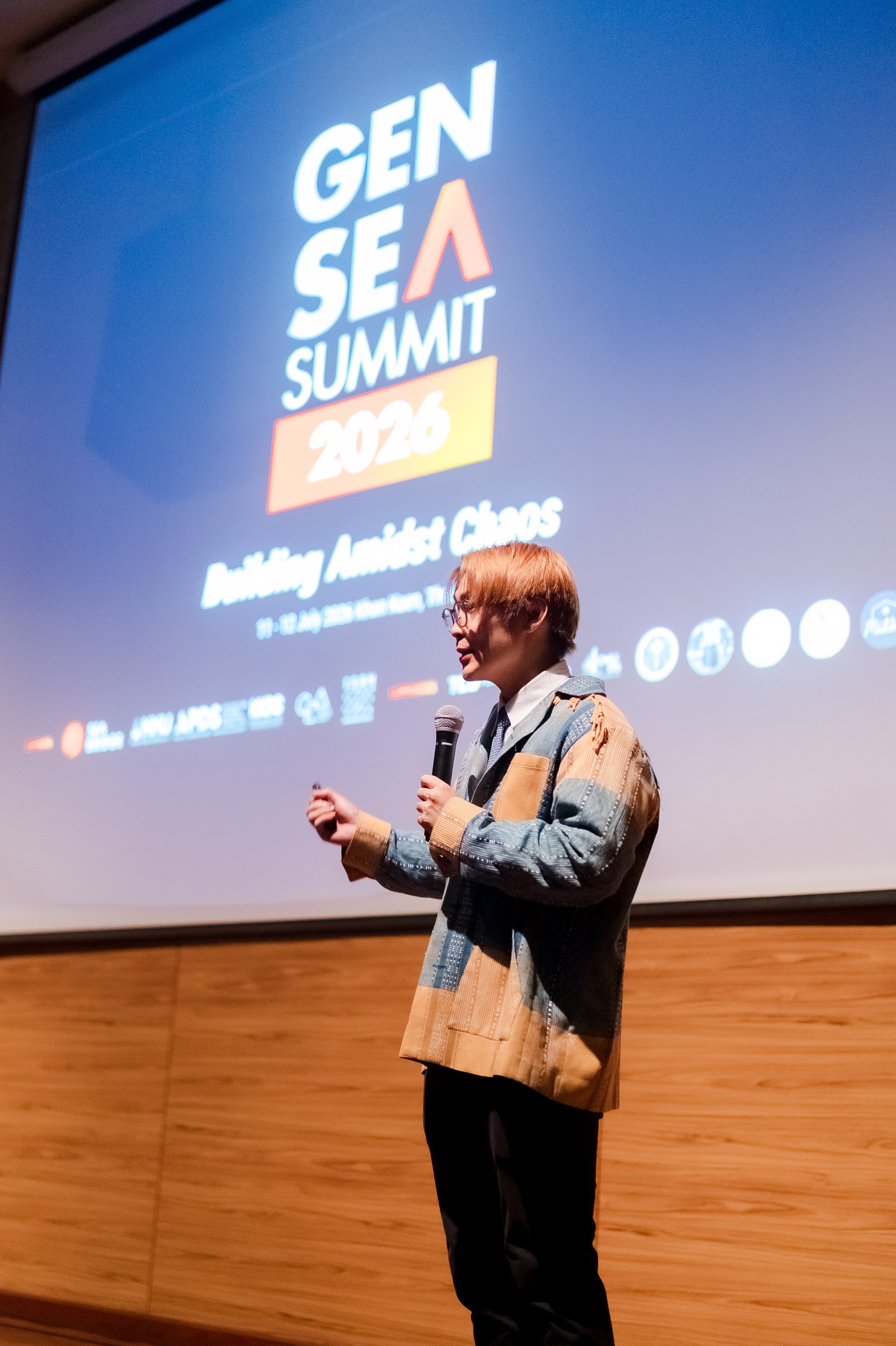
Kasper-Tanakrit Sermsuksan, Founder, SEA Bridge
"The people of Isan are ready. In knowledge, in skill, and in infrastructure, we are ready to do the work of innovation and creativity. What we ask for is the chance to help drive national policy forward: through supportive regulation and through funding, so that the people of Isan become a genuine engine of the economy, and we move forward together."
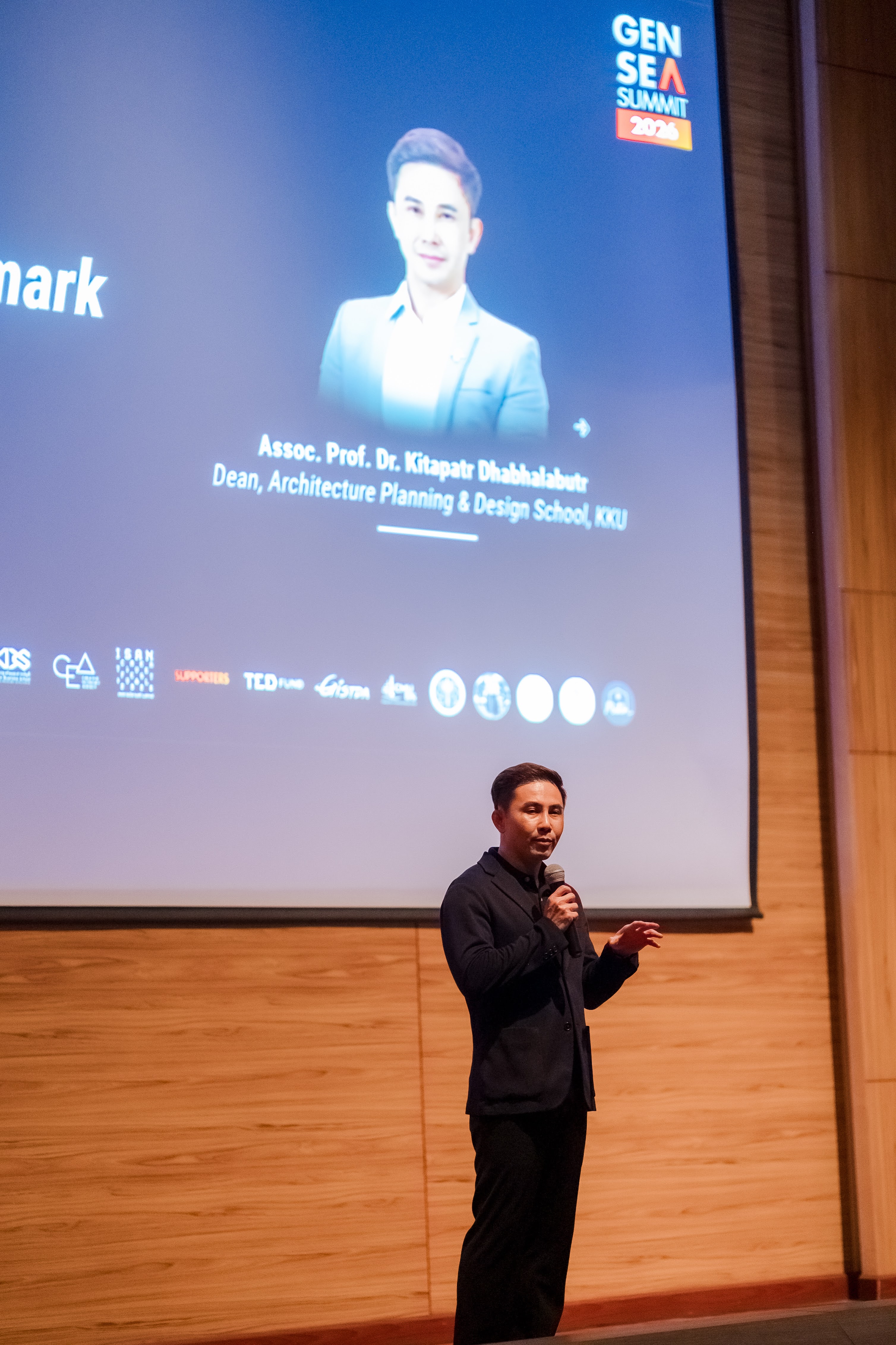
Assoc. Prof. Dr. Kitapatr Dhabhalabutr, Dean, Faculty of Architecture, Khon Kaen University
Gen SEA Summit is a biennial flagship. The next one is 2028, the year Thailand assumes the ASEAN Chairmanship.
That is not a marketing device. It is how the platform is built. A university, funder, or venture that missed Khon Kaen does not wait twelve months for the next chance. It waits two years, and returns to a room that has already formed its relationships.
There are two doors before then.
One: the ASEAN University Network Inter-University Entrepreneurship (AUN-UIE) conference in Brunei this November, where SEA Bridge begins partner university engagement for the next cycle.
Two: the Gen SEA editions launching across Thailand and ASEAN, to be announced in the coming months.
ASEAN was founded in 1967, in the middle of a Cold War, by people who never had the luxury of stable conditions. Nearly sixty years later, another generation is being asked to build under a different chaos, with the same absence of permission.
Building Amidst Chaos was not a theme we chose. It was a description of the job.
Khon Kaen was where we started. It will not be where we stop.
Institutions, funders, and ventures seeking to join the next cycle: team@seabridge.space